
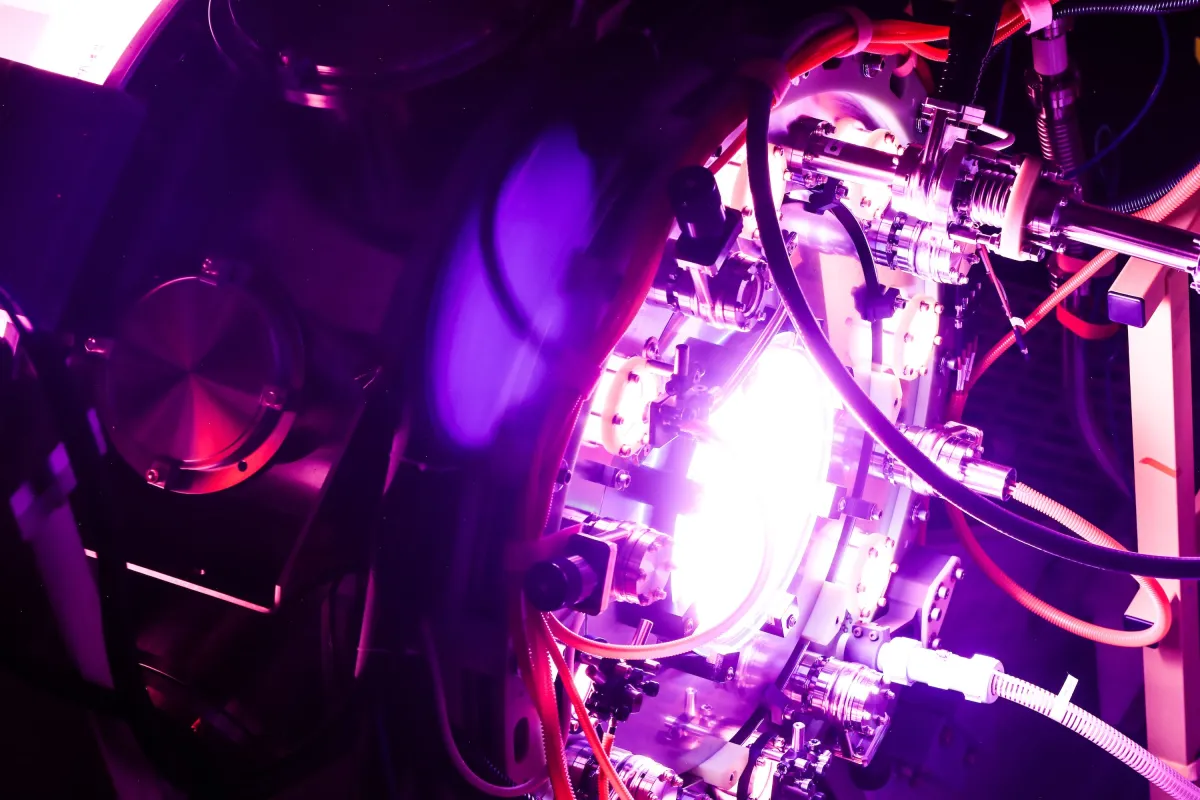
Fusion startup Helion has announced a new injection of $225 million to fast‑track the development of its inaugural fusion power plant, a milestone that could see the company supplying clean electricity to Microsoft by 2028. The capital boost follows Helion’s recent unveiling of advanced semiconductor technologies that promise to double the electrical output of its fusion reactors, a development that could reshape the commercial viability of fusion power.
Helion’s approach centers on a compact, high‑temperature plasma confinement system that relies on precisely engineered semiconductor components. By improving the efficiency of magnetic field generation and heat transfer, the company claims its new chips can increase power density without expanding reactor size. The result, according to Helion, is a plant capable of delivering twice the energy output of current prototypes while maintaining the same footprint.
The partnership with Microsoft, announced in a joint statement earlier this year, underscores the growing interest of major tech firms in next‑generation energy solutions. Microsoft’s commitment to carbon neutrality includes a strategy to secure renewable and low‑carbon electricity sources, and Helion’s 2028 target aligns with the company’s projected power needs for its data centers in the United States and around the globe.
For Pakistan, a nation that has long grappled with intermittent power supply and a heavy reliance on fossil fuels, the arrival of fusion technology represents a potential game‑changer. While Helion has not yet announced any direct investment or collaboration in the country, the company’s progress highlights the broader trend of high‑tech energy research that could inform Pakistan’s future energy policy. Analysts point out that the scalability of Helion’s compact reactors could make fusion a viable complement to the country’s existing hydroelectric, nuclear, and planned renewable projects.
Industry observers note that the $225 million investment marks a significant step toward commercial fusion, a field that has historically been mired in technical and financial hurdles. If Helion’s semiconductor‑driven design proves successful, it may lower the cost barrier and accelerate deployment timelines, offering a blueprint for other nations to consider.
As the global energy landscape shifts toward low‑carbon alternatives, Helion’s progress will be closely watched by investors, governments, and tech giants alike. The company’s next milestones will include achieving sustained, net‑positive energy output and securing additional partnerships that could bring fusion electricity to markets worldwide, including Pakistan’s rapidly expanding digital economy.