
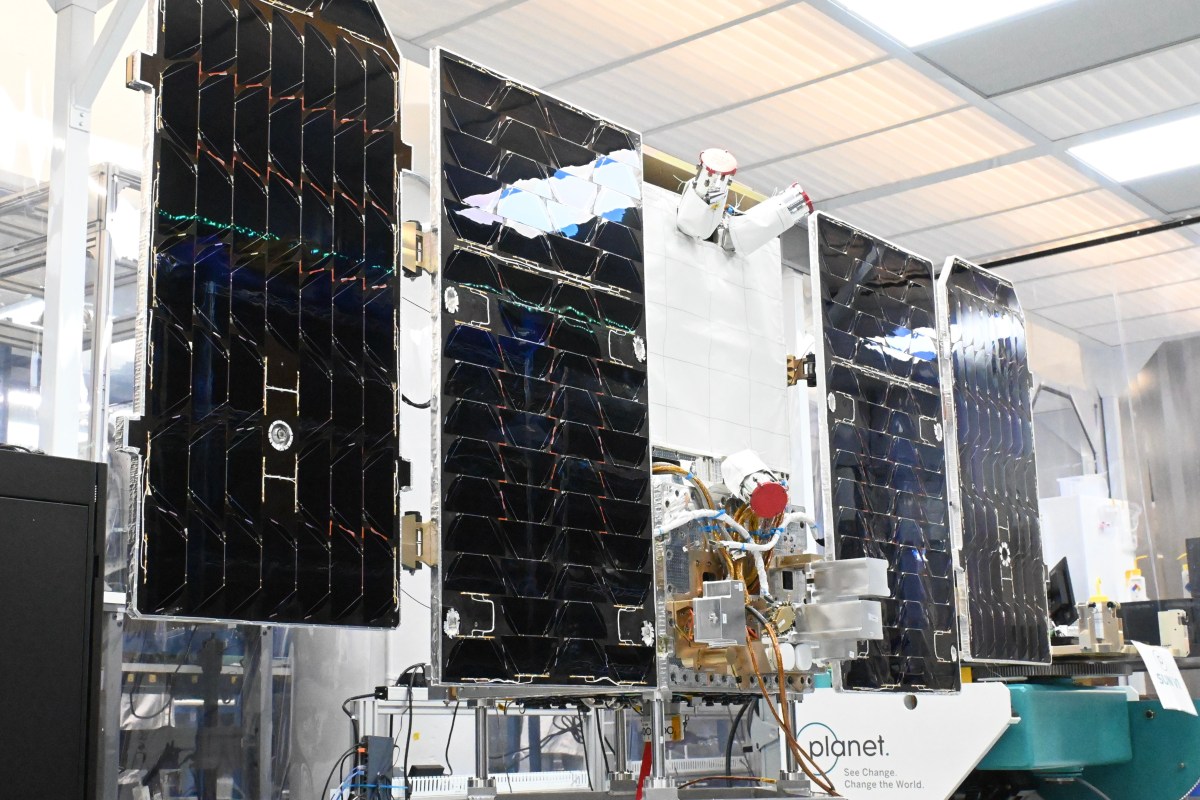
Google has taken a significant stride toward the future of data processing by successfully launching its first advanced chip into orbit. The move is part of a broader strategy to build space‑based data centers that could dramatically increase processing speed and reduce latency for global networks. The company’s engineers say that the chip, designed for high‑performance computing, will serve as a test bed for larger, more complex systems that could operate in space.
While the launch is a milestone, Google’s own analysis suggests that the SpaceX Starship, the heavy‑lift vehicle that will carry these systems into orbit, must complete roughly 1,600 flights before space data centers become a practical reality. The figure reflects the enormous scale of the infrastructure needed, from repeated launches to the deployment of power, cooling, and communications systems that can withstand the harsh conditions of space.
The company’s research team points out that each Starship launch would carry a payload of several thousand kilograms, and that the cumulative cost of 1,600 flights would be substantial. Nevertheless, Google argues that the long‑term benefits—such as near‑real‑time data analysis for weather forecasting, scientific research, and global telecommunications—could outweigh the upfront investment.
For the technology community in Pakistan, the announcement is a reminder of the growing importance of space‑based services. While no Pakistani companies are currently listed as partners in the project, the development could create new opportunities for local startups and research institutions that specialize in satellite communications, high‑performance computing, and data analytics. The potential for Pakistan to contribute to or benefit from a global network of space data centers could spur investment in domestic talent development and infrastructure.
Industry analysts note that the success of Google’s orbital chip also underscores the need for robust ground‑station networks and secure data pathways. In regions like South Asia, where internet connectivity remains uneven, the prospect of off‑world data centers could help bridge gaps in service quality. However, the practical challenges—ranging from launch logistics to orbital debris management—must be addressed before such a vision becomes mainstream.
In the coming months, Google is expected to publish detailed technical specifications for the chip and outline a phased roadmap for scaling up to full‑scale space data centers. The company’s partnership with SpaceX will be closely watched, as it may set the pace for other tech giants contemplating a similar leap into the final frontier.
The announcement marks a pivotal moment for the tech industry, signaling that the next generation of data infrastructure may soon orbit the Earth itself, and that the journey toward that goal will require an unprecedented number of Starship launches.