
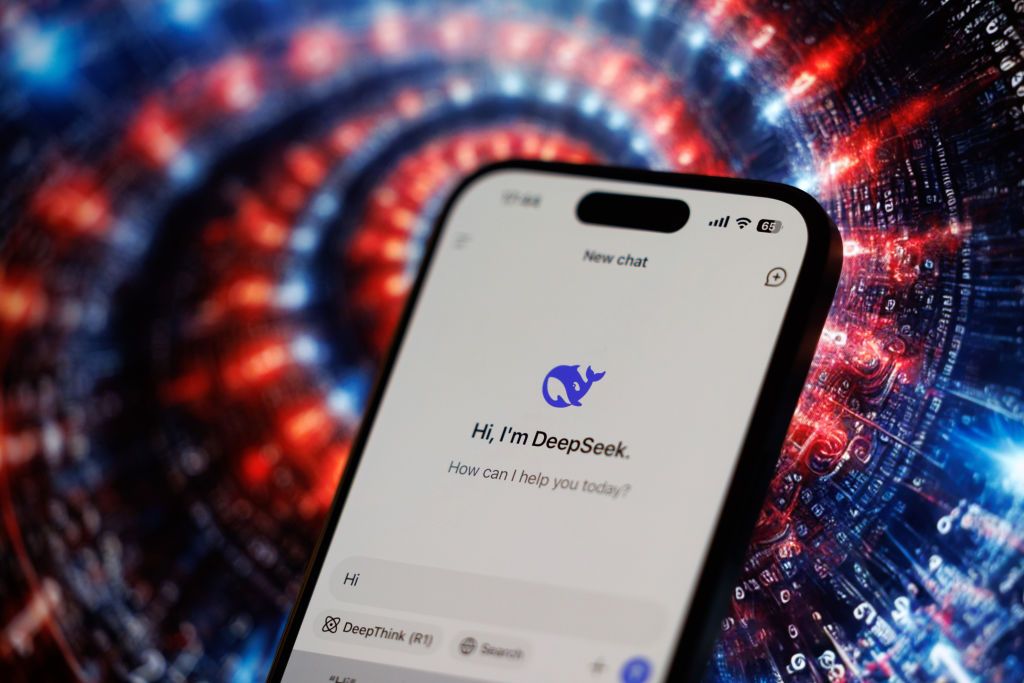
The United States has issued a directive compelling all federal civilian agencies to eliminate DeepSeek products and any third‑party services built with its underlying technology. The move follows heightened concerns about the national security implications of integrating foreign‑origin artificial‑intelligence systems into critical government infrastructures.
DeepSeek, a Chinese AI platform known for its advanced language models, has been adopted by a growing number of U.S. agencies to streamline data processing, automate routine tasks, and enhance decision‑making capabilities. While the technology offers significant productivity gains, officials in Washington have warned that its proprietary code and data handling practices could expose sensitive information to foreign actors.
The directive, issued by the Office of Management and Budget, requires agencies to conduct an immediate audit of their IT portfolios, identify any DeepSeek components—whether directly installed or accessed via cloud‑based services—and replace them with domestically sourced or open‑source alternatives. Failure to comply may result in penalties or loss of federal funding.
This action is part of a broader U.S. strategy to secure the national security perimeter around AI. The administration has repeatedly highlighted the risk that foreign‑controlled AI systems could be used to conduct surveillance, influence public opinion, or compromise critical infrastructure. By removing DeepSeek from its own systems, the U.S. aims to set a precedent for other nations and private firms to scrutinize the provenance of AI tools.
For Pakistan, the announcement carries notable implications. The country’s technology sector is rapidly expanding, with a growing number of startups and government agencies exploring AI for applications ranging from smart city management to defense analytics. Pakistani officials and industry leaders will likely monitor the U.S. directive closely as a benchmark for assessing the security posture of AI solutions sourced from abroad.
While Pakistan has not publicly disclosed any use of DeepSeek technology, the directive underscores the importance of rigorous vetting processes for AI procurement. Government bodies may need to reassess their supply chains, ensuring that any foreign AI components comply with stringent data‑security and transparency standards.
The U.S. move also signals to global AI developers that national security considerations will increasingly shape the adoption of their products. Companies operating in China or with Chinese partnerships may face tighter scrutiny from governments that rely heavily on AI for critical functions.
In the coming months, agencies will be tasked with identifying and phasing out DeepSeek products, a process that could involve significant investment in alternative technologies. The decision reflects a broader trend of governments reexamining the balance between technological advancement and safeguarding sensitive information in an era where AI capabilities are rapidly evolving.