In a surprising turn of events, the interactive chatbot platform Character.AI, which has been operational for five years, has officially filed for bankruptcy. The filing marks a significant shift in the rapidly evolving artificial‑intelligence landscape and signals a potential realignment of resources within the sector.
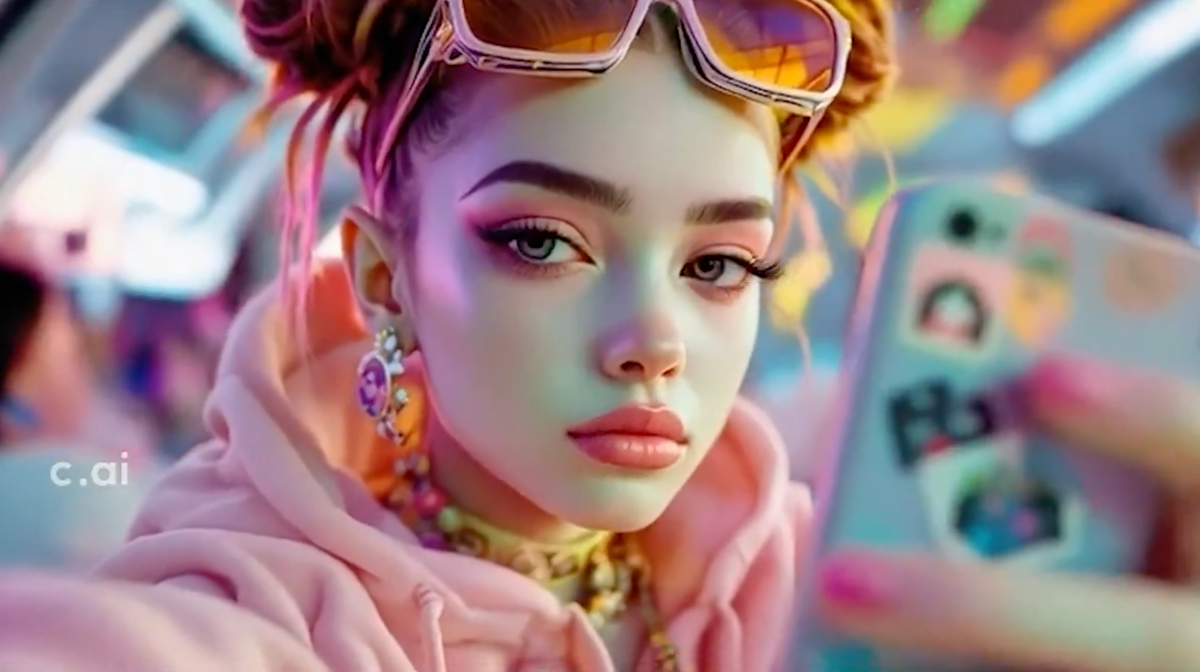
Character.AI, known for its conversational AI that allows users to create and interact with digital personas, has struggled to sustain its business model amid fierce competition and escalating development costs. While the startup’s ambition to democratize AI chatbots garnered attention, the company’s financial trajectory culminated in the recent bankruptcy filing.
As part of its restructuring plan, Character.AI has agreed to sell a portion of its intellectual property and assets to the global entertainment conglomerate Disney for a sum of $20 million. The deal, announced shortly after the bankruptcy filing, will provide Disney with access to Character.AI’s proprietary technology, potentially enriching its own content creation and interactive media initiatives.
The transaction is expected to secure a portion of Character.AI’s remaining value for creditors and stakeholders, while allowing the company’s key technology to be integrated into a larger ecosystem. Analysts note that the sale reflects a broader trend of major media and technology firms acquiring niche AI capabilities to enhance storytelling and user engagement.
For the Pakistani tech community, Character.AI’s experience underscores both the opportunities and challenges inherent in AI innovation. Pakistan’s burgeoning startup scene has seen increased investment in AI research and development, yet the collapse of a high‑profile international player serves as a cautionary tale about the volatility of the sector. Local developers and entrepreneurs may look to this case to better understand the importance of sustainable business models, diversified revenue streams, and strategic partnerships.
While the bankruptcy filing is a setback for Character.AI’s founders and employees, the sale to Disney offers a silver lining. The infusion of capital and the potential for technology transfer could stimulate further collaboration between Pakistani AI talent and global industry leaders.
Industry observers will be watching closely to see how Disney incorporates the acquired assets and whether it sets a precedent for future acquisitions of AI startups facing financial distress. The outcome may influence how Pakistani firms approach scaling, funding, and partnerships in an increasingly competitive AI marketplace.