
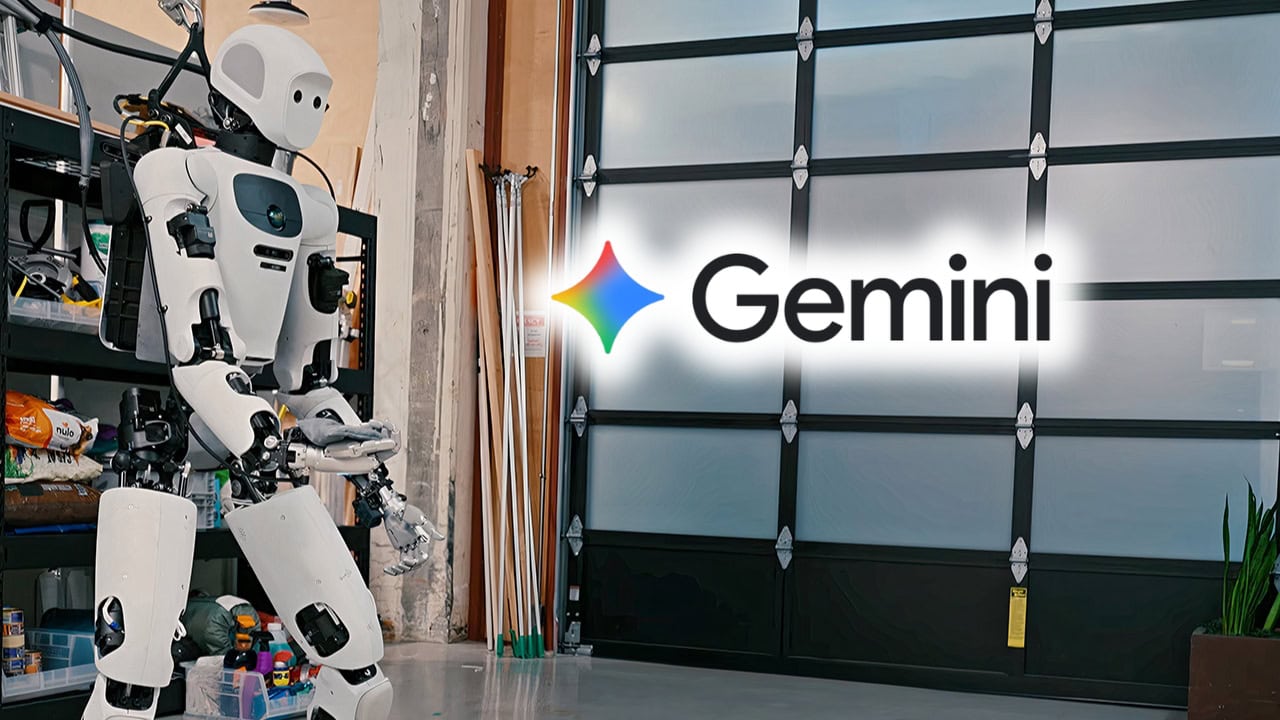
In a landmark demonstration, Google DeepMind unveiled the Gemini 4 Argon model, a cutting‑edge artificial‑intelligence system that can equip robots with new physical skills simply by observing a short human‑made video. The team showcased Argon’s “Video‑to‑Sim‑to‑Real” methodology, which translates real‑world footage into simulated training data and then transfers that knowledge to a physical robot in a fraction of the time traditionally required.
Traditionally, programming a robot to perform a new task demands weeks of painstaking manual simulation and fine‑tuning. Argon, however, compresses this process into just a few hours. By ingesting a single video clip, the model creates a virtual environment that mirrors the nuances of the demonstrated action, trains the robot within that simulation, and then applies the learned policy to the real machine. The result is a robot that can replicate the observed behavior with minimal human intervention.
Google first announced Argon on September 30 and rolled it out worldwide on October 13, 2026. The announcement came as part of a broader effort to democratize robot learning and accelerate the integration of AI into industrial settings.
Implications for Pakistan
Pakistan’s burgeoning technology sector stands to benefit from Argon’s breakthrough. The country has seen rapid growth in manufacturing and logistics, and the ability to quickly train robots could reduce operational costs and increase productivity. Local startups focused on automation and robotics could adopt Argon’s framework to develop custom solutions for sectors ranging from textiles to automotive assembly.
Moreover, Argon’s video‑based approach aligns well with the skill sets of many Pakistani technicians, who can create demonstration videos without needing advanced programming knowledge. This could lower the barrier to entry for small and medium enterprises, fostering a more inclusive robotics ecosystem.
Industry Response
The robotics community has responded enthusiastically. Experts note that Argon’s speed and ease of use could transform prototyping cycles and reduce the time from concept to deployment. While the technology remains in its early stages, the potential for rapid iteration and cost savings is already evident.
Looking Ahead
Google DeepMind’s announcement signals a shift toward more intuitive robot training paradigms. By leveraging the power of video, Argon eliminates the need for exhaustive manual modeling and opens the door to a new generation of adaptable, learning‑capable machines. As the technology matures, it is poised to reshape how robots are integrated into factories, warehouses, and service industries worldwide, including in emerging markets such as Pakistan.
The coming months will likely see further refinements to the system, as well as collaborations between tech giants and local firms to tailor the solution to specific industrial needs. For Pakistan, the arrival of Argon could mark a pivotal moment in its journey toward becoming a regional hub for robotics innovation.