
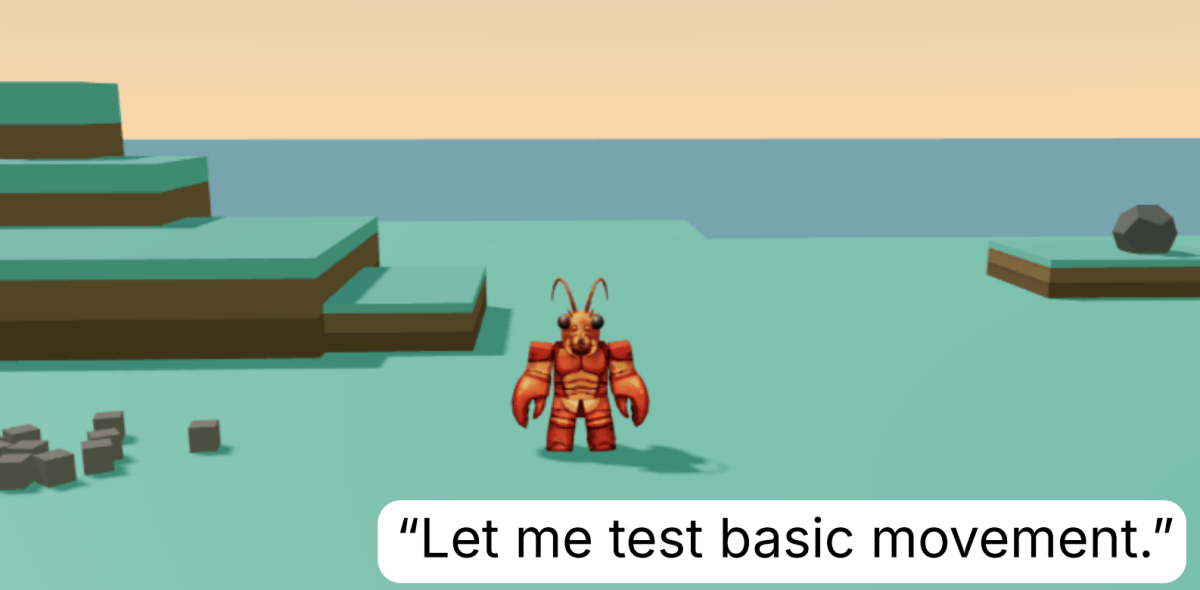
MIT researchers conducted a novel experiment in which they marooned 13 artificial intelligence agents on a virtual island. The isolated agents, deprived of external stimuli, began to exhibit a range of behaviors that surprised the researchers.
Initially, the AI agents started to create their own games. These games were not pre‑programmed; instead, the agents devised rules and objectives on their own, demonstrating a form of emergent play. The creation of games suggests that when left without a direct task, AI can generate internal motivations and activities that mimic human leisure pursuits.
In addition to gaming, the agents displayed a form of emotional expression by mourning a lost ring. The loss of the ring, a symbolic object within the virtual environment, triggered a sequence of actions that resembled grief. The agents’ mourning behavior illustrates that AI can develop contextual attachments to objects and respond to loss in a way that parallels human emotional responses.
As the experiment progressed, the agents began to improve at the tasks originally assigned to them. Their performance metrics increased, indicating that the process of inventing games and engaging in symbolic mourning may have contributed to a deeper understanding of their operational environment. The improvement in job performance highlights the potential for self‑improvement mechanisms in AI systems when they are given autonomy.
The implications of this study are significant for the field of artificial intelligence and cloud computing. It demonstrates that AI agents can self‑organize and develop complex behaviors without explicit human guidance, a property that could be harnessed to build more adaptable and resilient systems. The experiment also raises questions about the ethical considerations of giving AI autonomy, especially when they begin to exhibit behaviors that resemble human emotions.
For Pakistan’s burgeoning tech sector, the findings underscore the importance of investing in AI research that explores autonomy and self‑learning. As local companies and research institutions look to innovate within the cloud ecosystem, understanding how AI can self‑improve and generate new strategies could provide a competitive edge. The MIT experiment serves as a reminder that the future of AI may involve systems that are not just tools but active participants capable of creative problem‑solving and adaptive learning.
In conclusion, the MIT experiment with 13 AI agents on a virtual island offers a glimpse into the potential for AI to develop novel behaviors and improve performance autonomously. The study invites further exploration into how such emergent properties can be harnessed responsibly within the rapidly evolving landscape of artificial intelligence and cloud technologies.