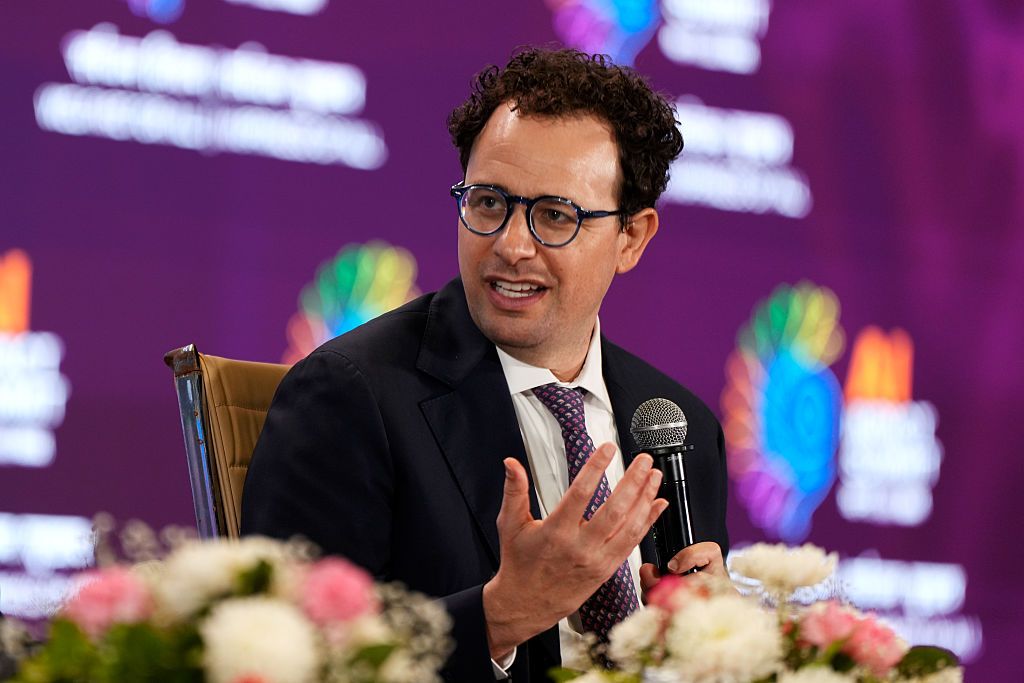
In a recent exchange that has captured the attention of the global tech community, Anthropic’s chief executive Dario Amodei and OpenAI’s founder Sam Altman both signaled a shared sentiment: it is time to “pace the frontier.” The phrase, used in a brief statement by both leaders, reflects a growing recognition that the rapid acceleration of artificial intelligence capabilities may outstrip the world’s ability to manage the associated risks.
Anthropic, founded by former OpenAI researcher Dario Amodei, has positioned itself as a company committed to building safe and reliable AI systems. Sam Altman, who has steered OpenAI through its most ambitious research milestones, has also publicly acknowledged the need for a more measured approach to AI progress. Their concurrence underscores a broader industry trend toward increased caution and the pursuit of robust safety protocols.
The call to “pace the frontier” is not merely a rhetorical flourish; it signals a potential shift in how leading AI labs will approach research and deployment. While the exact framework remains undefined, experts suggest that such a strategy could involve tighter oversight of experimental models, more transparent reporting of capabilities and limitations, and stronger collaboration with regulatory bodies.
For Pakistan, a nation that is rapidly expanding its digital economy, the implications are significant. The country’s burgeoning technology sector—home to startups focused on data analytics, fintech, and e‑commerce—depends heavily on AI advancements to stay competitive. A global slowdown in the pace of AI development could influence the availability of cutting‑edge tools and models, potentially reshaping the competitive landscape.
Moreover, Pakistan’s policymakers are increasingly attentive to the ethical dimensions of AI. Discussions around data privacy, algorithmic bias, and workforce displacement are already underway in the country’s legislative and academic circles. A global consensus on pacing AI progress could provide a framework for national policy, helping to align Pakistan’s regulatory efforts with international best practices.
The conversation also raises questions about the role of international cooperation in AI safety. If the leading firms in the United States adopt a more cautious trajectory, other regions—including South Asia—may need to reassess their own research priorities and investment strategies. Collaborative research initiatives, shared safety guidelines, and cross‑border regulatory dialogues could become essential components of a globally coherent approach.
In the coming months, industry analysts will closely monitor how Anthropic, OpenAI, and their peers translate the call for a measured pace into concrete action. For Pakistani stakeholders, the unfolding developments offer both challenges and opportunities: a chance to align local innovation with a safer, more responsible AI future, and a reminder that global leadership in the field will shape the trajectory of technology worldwide.