
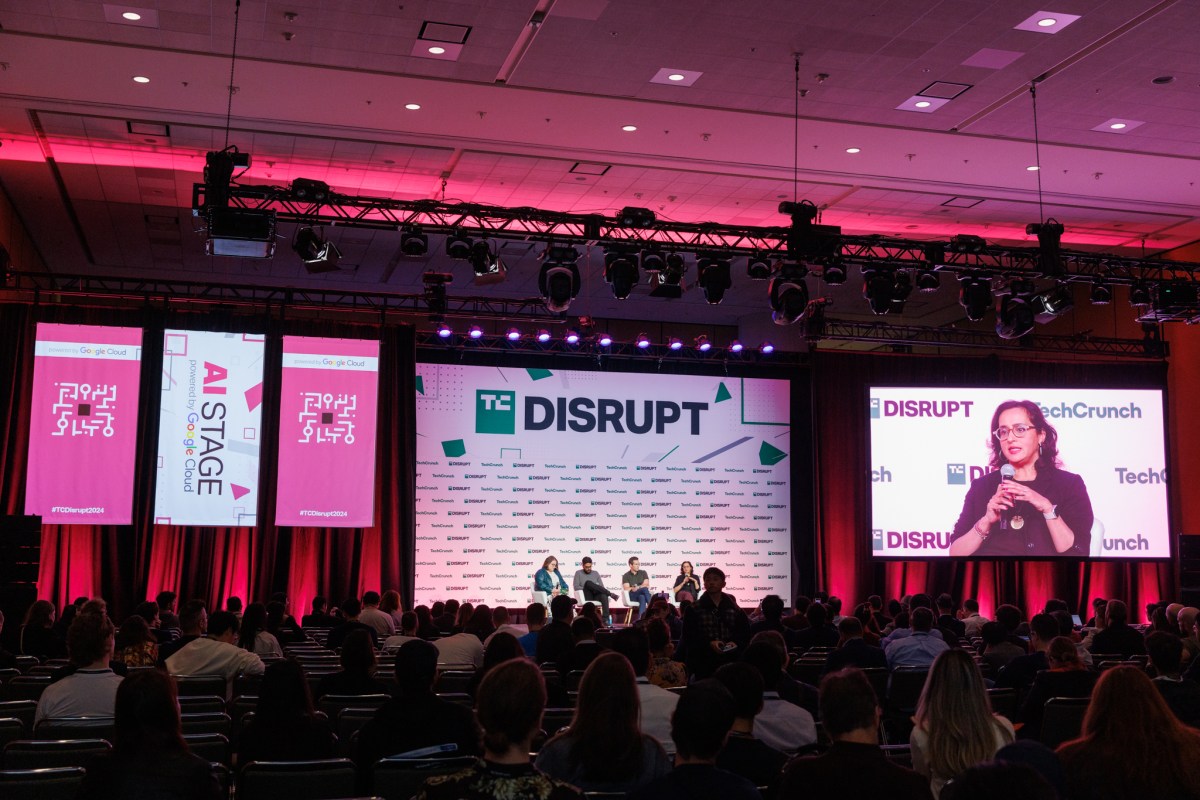
TechCrunch Disrupt 2026, one of the most anticipated gatherings for the global technology community, is set to become a focal point for a debate that has reshaped the way startups approach artificial intelligence: open versus closed AI platforms.
The event’s central theme, as highlighted in its promotional materials, centers on how founders are deciding what to build on—whether to harness the flexibility and collaborative nature of open AI frameworks or to lock in the security and proprietary advantages of closed systems. This question is not merely academic; it has real implications for product development timelines, cost structures, and competitive positioning.
At the heart of the discussion are the trade‑offs each model presents. Open AI platforms, such as those provided by major cloud vendors, offer rapid iteration, community support, and the ability to tap into a vast ecosystem of pre‑trained models. They also lower the barrier to entry, allowing smaller teams to experiment without the need for substantial in‑house infrastructure. On the other hand, closed AI solutions grant developers tighter control over data, compliance, and intellectual property, often appealing to enterprises that require stringent security and customizability.
The event’s call to action is straightforward: register now to save up to $100 and receive a second pass at 50% off. This incentive underscores the high demand for early access, as founders and investors alike are eager to witness the latest innovations and network with peers.
While the headlines focus on the U.S. and European tech scenes, the implications ripple far beyond. The open versus closed AI debate will influence how emerging markets, including Pakistan’s burgeoning startup ecosystem, strategize their technology stacks. Pakistani developers and entrepreneurs, who are increasingly integrating AI into fintech, healthtech, and e‑commerce solutions, will need to weigh the same considerations—balancing rapid prototyping against the need for data sovereignty and regulatory compliance.
Moreover, the dialogue at TechCrunch Disrupt 2026 is expected to highlight case studies from both sides of the spectrum, offering a comparative lens that will help founders worldwide make informed decisions. By presenting real‑world outcomes, the conference aims to demystify the abstract benefits and pitfalls associated with each model.
In a landscape where AI is becoming the backbone of digital transformation, the choices made today by founders at events like TechCrunch Disrupt 2026 will shape the competitive dynamics for years to come. Whether the trend tilts toward open ecosystems that foster collaboration or toward closed platforms that prioritize control, the conversation is already underway and promises to influence the trajectory of innovation across continents.