
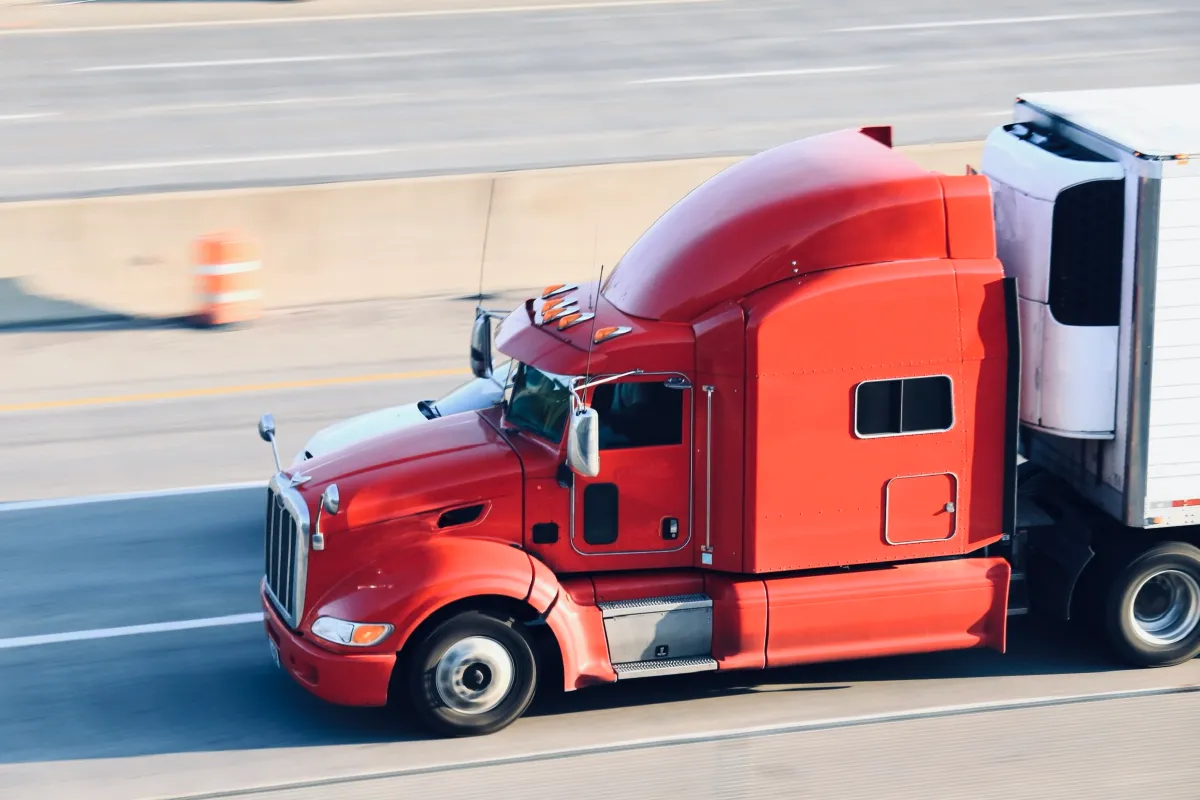
MIT‑based startup LNK Energies has unveiled a groundbreaking method that could transform conventional diesel trucks into hydrogen‑powered haulers, claiming the new system not only cuts emissions but also outperforms diesel on cost. The company presented its solution at the Disrupt conference, where industry observers noted the potential to reshape freight logistics in a world increasingly focused on sustainability.
The core of LNK Energies’ proposal is a retrofit technology that replaces diesel engines with hydrogen fuel cells or combustion units, enabling existing commercial vehicles to operate on clean hydrogen. While the startup does not disclose specific price points in its public briefing, it emphasizes that hydrogen fuel can be produced more cheaply than diesel, and that the overall operating cost of a hydrogen‑powered truck would be lower.
The implication for Pakistan’s transportation sector is significant. Pakistan’s freight industry is heavily reliant on diesel, which is both costly and a major source of air pollution. If LNK Energies’ technology proves scalable, it could offer Pakistani logistics firms a pathway to reduce fuel expenses while meeting stricter environmental regulations. The country’s growing interest in green hydrogen—supported by government incentives and international partnerships—creates a receptive environment for such innovations.
Experts in the field point out that the challenge for hydrogen adoption lies not only in technology but also in infrastructure. While LNK Energies focuses on vehicle conversion, the broader ecosystem must include hydrogen production, storage, and refueling stations. Pakistan’s nascent hydrogen supply chain, largely dependent on imported fuels and limited domestic production, would need to expand rapidly to support widespread truck conversions.
From a policy perspective, the startup’s cost advantage could accelerate the shift away from diesel. Governments worldwide, including Pakistan’s, are exploring subsidies and tax incentives for low‑emission vehicles. A technology that delivers lower operating costs may encourage fleet operators to accelerate their transition to hydrogen.
LNK Energies’ presentation at Disrupt also highlighted the potential for hydrogen trucks to operate in remote or off‑grid areas, where diesel distribution can be logistically challenging. By leveraging locally produced hydrogen, such regions could achieve greater energy independence.
While the startup’s claims are promising, independent verification and pilot projects will be essential to validate performance metrics, safety, and long‑term reliability. Nonetheless, LNK Energies’ announcement marks a notable step in the evolving narrative of sustainable freight transport, underscoring how innovations originating from academic hubs like MIT can ripple across global markets.
As Pakistan seeks to modernize its transport infrastructure and reduce its carbon footprint, technologies like LNK Energies’ hydrogen truck retrofit could play a pivotal role in bridging the gap between economic viability and environmental responsibility.