
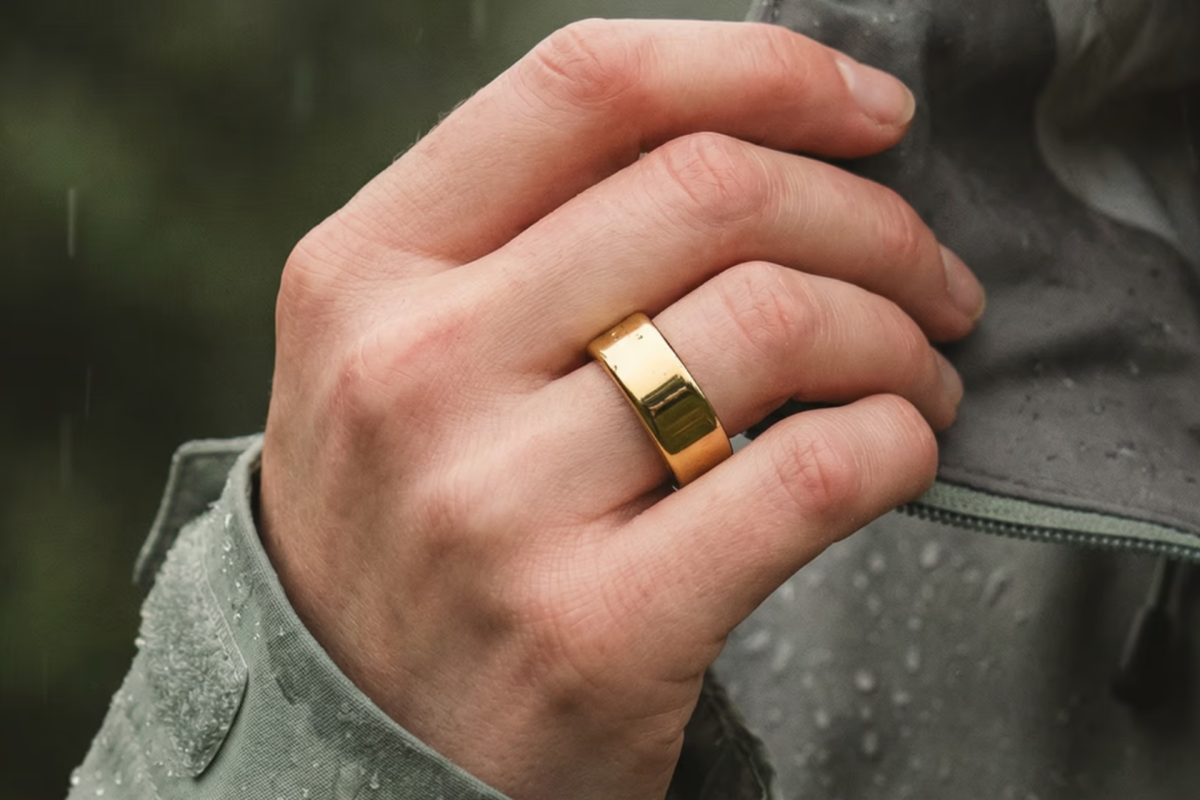
Oura, the maker of the popular health‑tracking ring, has filed a second lawsuit in the United States against rival company Ultrahuman, claiming that the company’s new Ring Pro model infringes two of its patents. The filing comes just days after Ultrahuman announced plans to re‑enter the U.S. market with a refreshed smart‑ring lineup, a move that Oura says could be derailed by the legal action.
The lawsuit marks the latest chapter in a growing battle over intellectual property in the wearable‑tech sector. While the details of the patents at issue remain confidential, Oura’s claim centers on the design and functionality of the Ring Pro, alleging that the device copies key features protected under its patent portfolio. The company’s attorneys have stated that the infringement is substantial enough to warrant immediate legal intervention.
For Ultrahuman, the lawsuit represents a significant setback. The firm had been preparing for a high‑profile launch in the United States, targeting health‑tech enthusiasts and fitness professionals. A court ruling could delay the product’s release, affect supply‑chain arrangements, and increase legal costs, potentially eroding the company’s competitive advantage.
The dispute also highlights the broader trend of patent litigation among wearable‑tech firms. As the market for health‑tracking devices expands, companies are increasingly aggressive in protecting their innovations. The outcome of this case may set a precedent for how patent claims are enforced in the smart‑ring niche.
In Pakistan, the tech community has watched the U.S. legal tussle with keen interest. Smart‑wearables are rapidly gaining traction among consumers and fitness communities, and the market for health‑tracking devices is expected to grow substantially in the coming years. Local startups that develop similar products may look to this case as a cautionary tale about the importance of safeguarding intellectual property and navigating international patent law.
Industry analysts suggest that the lawsuit could have ripple effects beyond the two companies involved. If Oura prevails, it may strengthen its market position and discourage other competitors from launching similar devices without securing proper licenses. Conversely, a ruling in favor of Ultrahuman could embolden other firms to innovate more freely, potentially accelerating product development in the sector.
While the legal proceedings are still in their early stages, both companies are expected to present detailed arguments in upcoming hearings. The decision could influence not only the U.S. market but also how wearable‑tech products are regulated and protected worldwide.
The case underscores the growing importance of intellectual‑property strategy in the tech industry and serves as a reminder for Pakistani innovators to prioritize robust patent protection from the outset. As the smart‑wearable market continues to evolve, the outcome of Oura’s lawsuit will be closely watched by stakeholders across the globe.