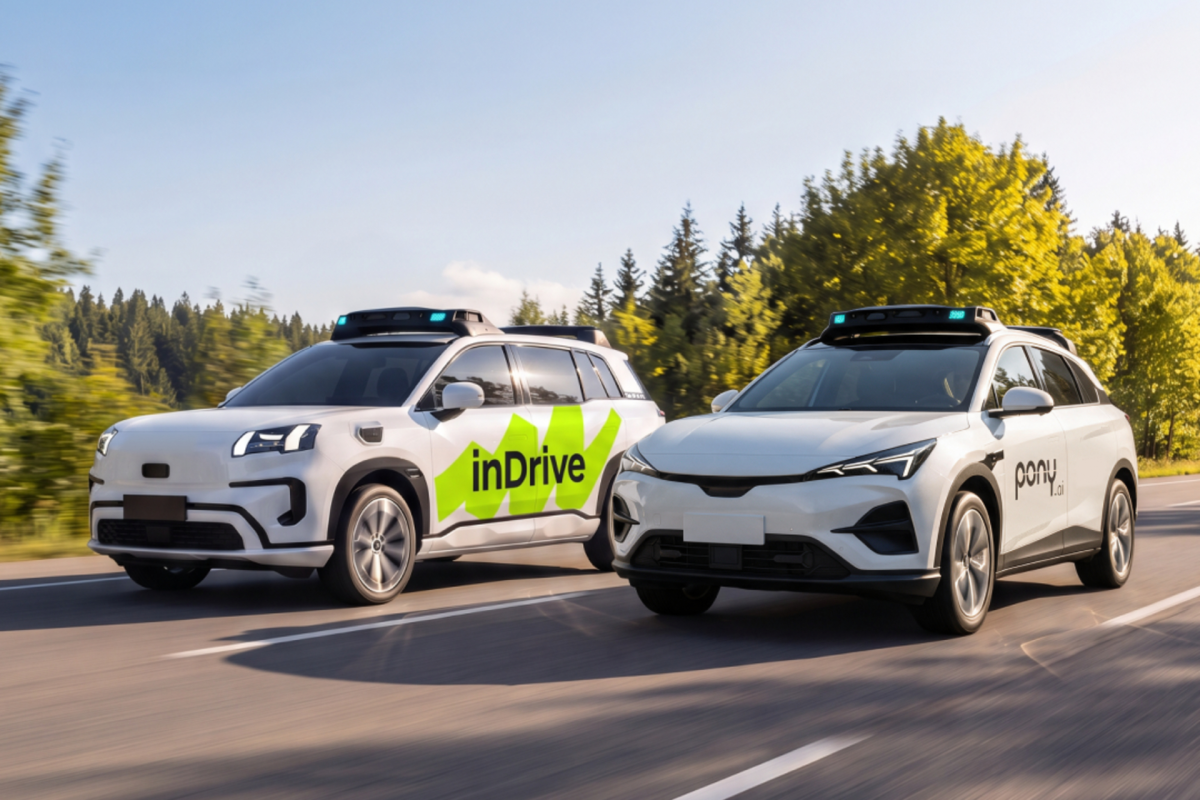
inDrive, the ride‑sharing company often compared to Uber, has announced plans to begin testing its autonomous vehicle program in the capital of Kazakhstan during the first half of 2027. The company will partner with Chinese autonomous‑driving firm Pony.ai and technology giant Nvidia to roll out the robotaxi service.
The announcement marks a significant milestone for inDrive’s strategy to expand beyond its current markets. By entering Central Asia, the company is positioning itself in a region that is still in the early stages of autonomous vehicle deployment. The tests will take place in the bustling streets of Kazakhstan’s capital, where the mix of high‑traffic corridors and evolving infrastructure could provide a robust environment for evaluating autonomous driving technology.
Pony.ai brings to the partnership a proven track record in autonomous vehicle research and a suite of self‑driving platforms that have been piloted in several countries. Nvidia’s involvement adds the necessary AI hardware and software stack, ensuring that the robotaxis can process real‑time data and make split‑second decisions. Together, the trio aims to create a fully autonomous taxi service that could operate without a human driver.
For the broader technology landscape, this move underscores the growing interest in autonomous mobility solutions across the globe. While the tests are scheduled for Kazakhstan, the implications resonate far beyond Central Asia. In Pakistan, where ride‑hailing services such as Uber and Careem dominate the market, the advent of robotaxis could signal a new era of transportation innovation.
Pakistan’s burgeoning tech ecosystem has already shown interest in autonomous driving through local startups working on AI and robotics. The collaboration between inDrive, Pony.ai, and Nvidia could serve as a benchmark for Pakistani companies looking to partner with international players on similar projects. Moreover, the success of these trials could encourage regulatory bodies in Pakistan to consider frameworks for testing and deploying autonomous vehicles.
The first‑half 2027 timeline also highlights the rapid pace at which the industry is moving. InDrive’s decision to test in a foreign capital rather than a domestic market illustrates the company’s confidence in its technology and its willingness to navigate new regulatory landscapes. If the trials prove successful, it could open the door for a wider rollout across other emerging markets, potentially including Pakistan.
In conclusion, inDrive’s upcoming robotaxi tests in Kazakhstan’s capital represent a strategic push into autonomous mobility that could ripple through the tech sectors of neighboring countries. For Pakistan, the initiative offers both a case study and an opportunity to engage with cutting‑edge autonomous driving developments.