
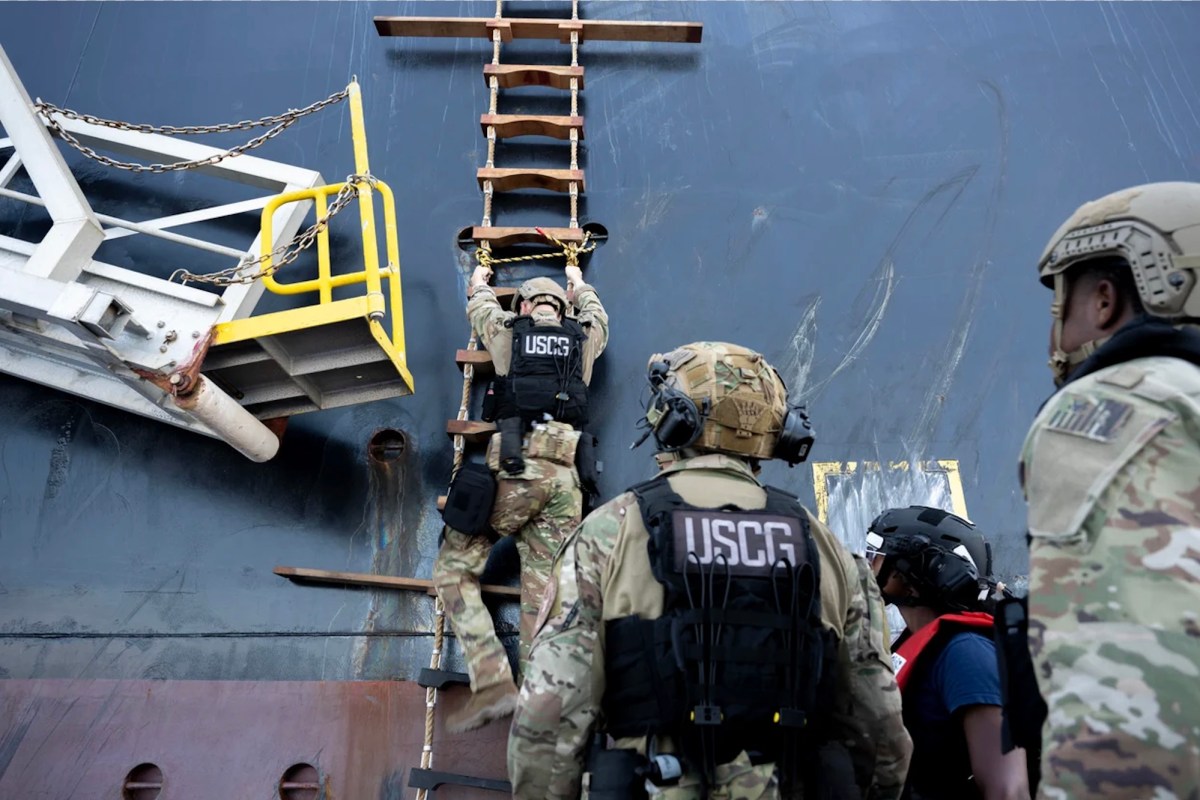
The Federal Bureau of Investigation and the United States Coast Guard boarded two oil tankers that were found to have been compromised by cyber‑attacks as they approached the U.S. coastline. Investigators are examining how the attackers infiltrated the vessels’ network systems, with evidence indicating that one of the ships experienced interference with its navigation and propulsion controls. The incident underscores the growing vulnerability of maritime assets to sophisticated cyber threats and the critical need for robust defensive measures.
In a coordinated operation, Coast Guard crews boarded the vessels after alerts triggered by anomalous network activity. The FBI’s involvement signals the seriousness of the breach, as the agency has jurisdiction over cyber‑crimes that threaten national security. Preliminary findings suggest that the attackers exploited software vulnerabilities in the ships’ integrated bridge systems, a type of technology widely used in modern oil carriers.
The impact on navigation and propulsion is particularly alarming. If an adversary can manipulate these systems, the ship’s course and speed can be altered, potentially leading to collisions, groundings, or diversion to hostile ports. Such incidents could have catastrophic consequences for crew safety, environmental protection, and the global oil supply chain.
For Pakistan, a nation that imports a significant portion of its petroleum through maritime routes, this episode is a stark reminder of the cyber‑security risks inherent in the shipping industry. Pakistani vessels are part of a global fleet that relies on complex digital infrastructure for navigation, cargo management, and communications. While no Pakistani tankers were reported in this incident, the event illustrates the potential for cyber attacks to disrupt not only U.S. ports but also the international trade routes that Pakistan depends upon.
Pakistan’s maritime sector has been working to modernize its fleet and improve cyber resilience. The government has launched initiatives to upgrade shipboard systems and train crew members in cyber hygiene. The recent U.S. incident may prompt Pakistani authorities to accelerate these efforts and seek closer cooperation with U.S. maritime agencies.
The incident also highlights the broader geopolitical implications. Cyber‑attacks on commercial shipping can be used as a tool of asymmetric warfare, allowing non-state actors or rival states to exert pressure without conventional force. The U.S. Coast Guard’s rapid response demonstrates a commitment to safeguarding the nation’s maritime infrastructure, but it also signals to shipping operators worldwide that vigilance is essential.
In the aftermath of the boarding, the FBI and Coast Guard will likely conduct a detailed forensic analysis to trace the source of the intrusion, assess the extent of damage, and recommend countermeasures. Shipping companies, both domestic and international, should review their network security protocols, ensure that bridge systems are patched, and maintain robust monitoring to detect early signs of compromise.
Ultimately, the event serves as a cautionary tale: as the maritime industry becomes increasingly digitized, the risks of cyber interference grow. For Pakistan, which relies heavily on maritime trade for energy imports, the need to strengthen cyber defenses is more urgent than ever.